Discover the Uplifting Power of Flowers for Your Mood and Well-Being
Posted on 10/06/2025
Discover the Uplifting Power of Flowers for Your Mood and Well-Being
Flowers have long enchanted humanity with their exquisite beauty, vibrant hues, and captivating fragrances. But beyond aesthetics, the gentle presence of blooms in our homes, gardens, and daily lives possesses a profound ability to enhance our mood, uplift emotions, and contribute to overall well-being. In this comprehensive article, we will explore the scientific and emotional ways in which flowers can improve mental health, reduce stress, foster positivity, and bring joy to everyday life. Whether you're an avid gardener, a flower enthusiast, or a curious newcomer, discover the power of flowers and how you can harness their goodness.
Why Flowers Positively Influence Mood and Well-Being
The mood-boosting and therapeutic effects of flowers have been esteemed for centuries across cultures. Today, scientific studies are confirming what ancient traditions have long known: flowers truly have the ability to uplift our spirits and enhance our quality of life. But why exactly are flowers so impactful on our mental and emotional health?
The Science Behind Flower Power
- Sensory Stimulation: Flowers engage multiple senses--the sight of vivid colors, the scent of blooming petals, and the touch of delicate textures. This multi-sensory experience activates the brain's pleasure centers, fostering feelings of happiness and relaxation.
- Stress Reduction: Research from Rutgers University has shown that people who receive flowers as gifts experience lower levels of stress hormones and greater short-term and long-term mood improvements.
- Natural Beauty and Connection: The presence of flowers reminds us of nature's cycles and our connection to the earth, which is known to promote feelings of mindfulness, awe, and appreciation.
The Emotional Impact of Flowers
Psychologists highlight that the colors and fragrances of flowers can evoke positive emotions, ignite nostalgic memories, and foster a sense of serenity. Flowers are often associated with celebrations, romance, sympathy, and gratitude--each relationship bringing its own emotional enrichment.
The Benefits of Flowers for Your Mental Health
Emerging research and traditional wisdom alike point to a spectrum of mental health benefits provided by the regular presence of flowers in our lives. Let's delve into the ways that these natural wonders can enhance well-being:
1. Flowers Reduce Stress and Promote Relaxation
Numerous studies have demonstrated that flowers in your environment foster a sense of tranquility and reduce anxiety. The act of arranging, tending to, or simply admiring flowers invites mindfulness and deep breathing--simple behaviors that lower stress levels and help calm the mind.
- Lavender: Known for its soothing scent, lavender has been shown to lower blood pressure and heart rate, making it ideal for relaxation.
- Chamomile: Its dainty, daisy-like blooms and subtle aroma are frequently used for their calming effect, especially in teas or sachets.
2. Boosting Joy and Positive Emotions
Placing flowers around your home or workspace can lead to increased feelings of happiness, gratitude, and excitement. People who are regularly exposed to fresh flowers report a more optimistic outlook, higher levels of energy, and a greater sense of joy.
- Daffodils and Sunflowers: Their bright yellow tones symbolize happiness and energize any space.
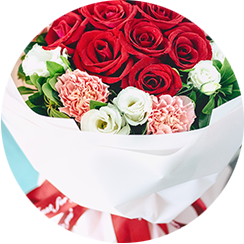
- Roses: Associated with love and admiration, roses can foster warmth and affection.
3. Enhancing Creativity and Productivity
Research suggests that the presence of plants and flowers in work environments can increase creativity and improve cognitive performance. Inspired spaces filled with blooms have been shown to enhance concentration, spark new ideas, and improve problem-solving skills.
4. Supporting Emotional Healing and Resilience
During periods of grief or emotional strain, flowers serve as natural comforters. Their ephemeral beauty can remind us of life's impermanence while inspiring hope and resilience. Offering flowers as a gesture of sympathy has lasting effects in bringing solace and connection.
5. Encouraging Meaningful Social Connections
Gifting and receiving flowers can deepen relationships and promote empathy, generosity, and appreciation. Whether through bouquets, potted plants, or home-grown arrangements, flowers are a timeless way to build bonds and express emotions.
Different Ways to Enjoy Flowers for Mood Enhancement
There are countless ways to integrate flowers into your life to reap their emotional and psychological benefits. Here are some creative options:
- Grow Your Own Flower Garden: Gardening boosts mental health and mood. Whether in a yard or on a balcony, cultivating your own blooms provides daily joy and a sense of achievement.
- Decorate with Fresh Cut Flowers: Place bouquets in high-traffic rooms, such as kitchens, entryways, and offices, to create a welcoming, uplifting atmosphere.
- Gift Flowers for Special Occasions: Mark birthdays, anniversaries, or well-wishing with meaningful floral gifts that brighten loved ones' days.
- Engage in Flower Arranging: Arrange flowers into creative displays--a hands-on activity that is both meditative and satisfying.
- Use Dried Flowers and Potpourri: Enjoy flowers long after blooming by crafting dried arrangements or fragrant potpourri blends.
- Explore Flower Essences and Oils: Aromatherapy using floral essential oils (like jasmine, rose, or ylang ylang) can promote relaxation, balance, and energy.
Choosing the Right Flowers for Your Emotional Needs
Not all flowers bring about the same mood-boosting effects--some are calming, while others are invigorating or comforting. Choosing the right flowers can help you tailor their power to your specific mental and emotional needs.
Flowers to Calm and Soothe:
- Lavender: Instantly calms nerves and aids with sleep.
- Jasmine: Relaxes the mind and lifts mild depression.
- Chamomile: Relieves anxiety and fosters peace.
- Bluebells and Lilies: Gentle colors and scents that create a restful ambiance.
Flowers to Energize and Motivate:
- Sunflowers: Symbolize vitality, optimism, and energy.
- Gerbera Daisies: Cheerful hues that stimulate happiness.
- Tulips: Brightens mood and encourages fresh starts.
Flowers for Comfort and Healing:
- Roses: Balance and soothe complicated emotions.
- Chrysanthemums: Enhance patience, resilience, and hope.
- Peonies: Offer comfort and a sense of luxury during tough times.
The Importance of Color in Flower Mood Therapy
The color psychology of flowers is a key factor in their enhancement of our mood and well-being. Different colors trigger different mental and emotional states:
- Yellow: Energizing and elevating, associated with joy and optimism.
- Red: Passionate and stimulating, linked to love and excitement.
- Blue: Peaceful and soothing; lowers blood pressure and calms.
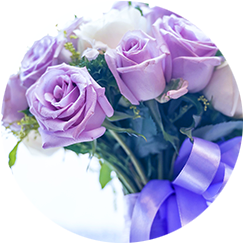
- Purple: Inspires creativity, wisdom, and a sense of luxury.
- Pink: Nurturing, gentle, and comforting--promotes tenderness.
- White: Symbolizes purity, new beginnings, and serenity.
- Orange: Warm and motivating, sparks enthusiasm and positivity.
For personalized mood enhancement, choose flower colors that align with the emotional state you wish to foster.
Studies Supporting the Uplifting Power of Flowers
Multiple scientific studies confirm the well-being benefits of flowers. Key findings include:
- A 2005 study by Rutgers University found that flowers have an immediate impact on happiness and long-term positive effects on mood. Participants who received flowers smiled more and reported better social interactions.
- A Texas A&M University study showed that both men and women in workspaces with plants and flowers generated more innovative ideas and had higher problem-solving scores.
- Research published in the journal "Complementary Therapies in Medicine" noted that hospital patients exposed to fresh flowers had lower anxiety and pain levels and a more positive outlook on their recovery.
Integrating Flowers Into Daily Life for Lasting Well-Being
The beauty of using flowers to elevate your mood is their accessibility. Whether you pick wildflowers, purchase from a local florist, or nurture your own garden, the act of engaging with blooms can become a regular source of joy. Here's how to make flowers part of your daily routine:
Morning Mindfulness
Start your day by noticing and appreciating a fresh flower arrangement during breakfast or on your morning walk. The sight and scent set a positive tone for the hours ahead.
Workday Breaks
Place a small vase of flowers on your desk. Take brief breaks to admire their patterns, inhale their fragrance, or simply rest your eyes on their beauty. It resets your mind and diminishes fatigue.
Evening Relaxation
Unwind by arranging flowers, watering your plants, or sitting alongside them with a book or cup of herbal tea. The ritual of caring for flowers is soothing and meditative.
Special Occasions and Rituals
- Incorporate flowers into baths, journaling sessions, or mealtimes for an added touch of elegance and relaxation.
- Cultivate a gratitude habit by reflecting on the beauty and presence of flowers at the end of each day.
Flower Power: More Than Decoration
Flowers are not just decorative accessories--they're invaluable allies on our journey to sustained well-being. From calming nerves to inspiring creativity, their presence in our environment and routines can make a lasting positive difference.
We hope this article has inspired you to embrace the power of flowers for your mood and emotional health. Whether you're seeking stress relief, joy, comfort, or greater mindfulness, let blooms light your path. With each petal and fragrance, may your days be brighter and your spirit uplifted.
FAQs: Flower Power and Well-Being
- How often should I bring fresh flowers into my home?
Ideally, keep fresh flowers in your living space weekly or bi-weekly to consistently maintain their positive effects on your mood. - Can I benefit from artificial or dried flowers?
While fresh flowers offer the strongest sensory stimulation, high-quality dried or even lifelike artificial flowers can still enhance mood visually and symbolically. - Are there any flowers to avoid if I have allergies?
Yes. Opt for hypoallergenic flowers like orchids, peonies, and tulips. Avoid highly fragrant blooms, such as lilies and some varieties of daisies, if you are sensitive.
Conclusion: Embrace the Uplifting Power of Flowers
Let the natural beauty, captivating scents, and vibrant colors of flowers enrich your life. Whether you surround yourself with lavish bouquets, cultivate a small windowsill garden, or simply bring home a single stem, you are inviting greater happiness, balance, and resilience. Discover the transformative power of flowers for your mood and well-being--and let every petal lead you to brighter days.