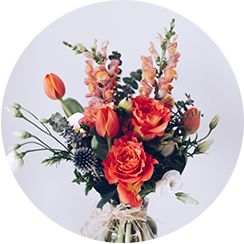
Hatton Cross station flower delivery tips for commuters
Posted on 26/09/2026
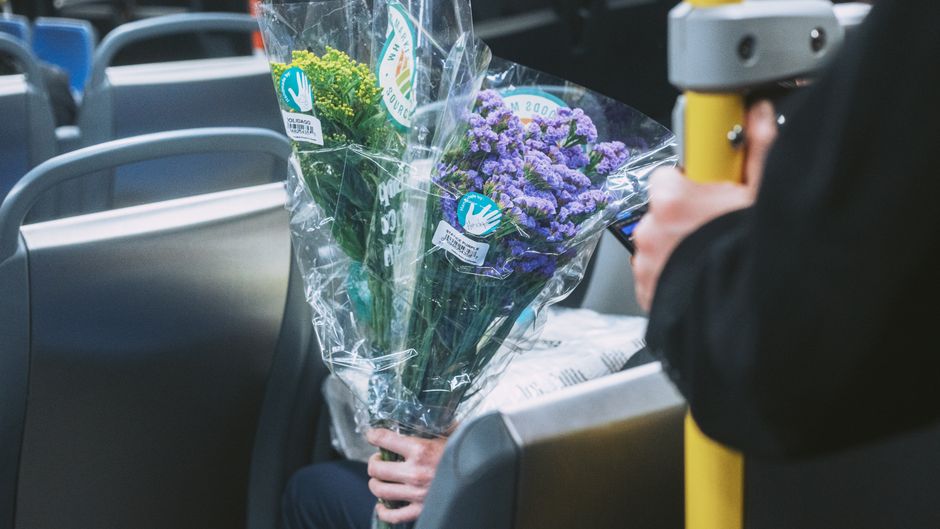
If you are trying to organise flowers around a busy rail or Tube journey, the small details matter more than people think. Hatton Cross station flower delivery tips for commuters are really about making sure the bouquet arrives fresh, fits into your schedule, and does not become one more thing to juggle on a crowded day. Whether you are heading home after work, meeting someone near the station, or sending a last-minute gift, the right approach can save time, stress, and a slightly awkward panic on the platform. Nobody wants to wrestle a giant bouquet while balancing a coffee and checking the departure board.
In this guide, you will find practical advice on timing, packaging, delivery choices, and the everyday mistakes to avoid. We will also cover who this is best for, what options make sense for commuters, and how to choose flowers that survive a journey across London without looking tired by the time they are handed over. Let's face it, flowers are meant to feel thoughtful, not complicated.
Table of Contents
- Why it matters for commuters
- How station-area flower delivery works
- Key benefits and practical advantages
- Who this is for and when it makes sense
- Step-by-step guidance
- Expert tips for better results
- Common mistakes to avoid
- Tools, resources and recommendations
- Law, compliance, standards, or best practice
- Options, methods, or comparison table
- Case study or real-world example
- Practical checklist
- Conclusion
- Frequently asked questions
Why Hatton Cross station flower delivery tips for commuters Matters
Hatton Cross is the kind of place where timing is everything. Commuters are often moving quickly, switching between work, travel, airport runs, and the general London habit of being five minutes behind schedule. That makes flower delivery near a station a very different job from a normal home delivery. You are not just sending flowers; you are coordinating them around trains, baggage, meetings, weather, and the chance that the recipient may be in motion when the order lands.
This matters for three reasons. First, flowers are delicate. A bouquet that sits in a hot van too long, or is handed over without proper water and wrapping, can wilt faster than anyone would like. Second, commuters rarely have the luxury of waiting around. If a delivery window is vague, the whole plan gets messy. Third, station-area deliveries often depend on precise instructions. A clear pickup point, a sensible delivery time, and an easy-to-carry presentation make all the difference.
There is also the emotional side. A flower delivery is usually meant to feel lovely, not rushed. When it lands well, it can turn an ordinary commute into a bright little moment. A quick smile on a platform can be worth more than a grand gesture that arrives late. That sounds obvious, but in practice, people still overlook it.
Expert summary: For commuter-focused flower delivery, the best results usually come from simplicity: tight timing, sturdy packaging, clear instructions, and flowers that travel well.
If you are choosing a florist in the area, it can help to look at broader local service details too, such as delivery information and the florist's general approach to service on the about us page. That gives you a feel for how reliable the process is before you place an order.
How Hatton Cross station flower delivery tips for commuters Works
At a practical level, commuter-friendly flower delivery is a coordination exercise. The sender places the order, chooses a delivery date or same-day option if available, and provides instructions that suit the recipient's travel pattern. The florist then prepares the bouquet, organises packaging, and arranges the route so the flowers arrive in usable condition.
The station element changes the picture slightly. A commuter might be arriving from Heathrow direction, heading home, or passing through Hatton Cross as part of a wider London journey. So the delivery needs to reflect movement, not just location. The key is to think about what the recipient will be doing when the flowers are handed over. Are they walking with a laptop bag? Standing on a platform? About to head into a meeting? These small details affect the best bouquet size, wrapping style, and delivery window.
In our experience, the best commuter deliveries are the ones where the florist, sender, and recipient all share a simple plan. Not a complicated one. You do not need a detailed itinerary; you need enough information to avoid confusion.
A few practical things usually shape how the process works:
- the delivery slot and whether it matches the recipient's commute;
- the size of the bouquet and whether it can be carried easily;
- the weather, especially in colder or hotter months;
- how the flowers are wrapped, boxed, or supplied in a vase;
- whether the recipient is likely to be at home, at work, or in transit.
For larger arrangements or time-sensitive gifts, same-day options can be useful if they are available. If you are planning ahead, next-day or scheduled delivery often gives a little more breathing room. A bouquet sent with the right timing is much more likely to arrive looking lively rather than slightly apologetic.
Key Benefits and Practical Advantages
There is a reason commuter-friendly flower delivery has become such a popular idea. It solves a very ordinary problem: how do you send something delicate to someone who is never standing still? The answer, usually, is to make the delivery work around their day rather than against it.
Here are the main advantages:
- Less disruption: the recipient does not need to make a special trip across town.
- Better freshness: shorter, better-timed handovers reduce the chance of flowers sitting around.
- More thoughtful timing: a bouquet arriving after a shift or before a journey home feels more personal.
- Lower stress: a commuter can receive flowers without worrying about carrying them for hours.
- More flexible gifting: it works for birthdays, thank-yous, apologies, anniversaries, and "just because" moments.
One underrated benefit is presentation. A florist that understands commuter deliveries will usually think about practicality. That might mean a tidy wrap, a secure box, or flowers arranged in a vase so the recipient does not have to find one later. Small thing, but it matters. Nobody wants to carry a loose bunch on a packed train and then realise they have nowhere to put it once they get home.
If you are browsing arrangements, collections such as florist choice or best sellers are often useful because they tend to balance presentation with ease of transport. That is not a hard rule, of course, but it is a sensible place to start.
Who This Is For and When It Makes Sense
This approach makes sense for a wide mix of people. If the recipient regularly commutes through Hatton Cross, it is especially useful, but it is not limited to rail travellers. The broader idea is useful whenever the person receiving the flowers is short on time or moving between locations.
Typical situations include:
- Busy professionals: they may not be home during standard daytime delivery hours.
- Airport workers and travellers: station-adjacent logistics need to be neat and well timed.
- Partners and family members: flowers can be sent as a surprise without creating a complicated handover.
- Office-based recipients: a delivery near the station can be easier than a home drop-off.
- Last-minute gift senders: when time is short, the delivery plan has to be practical, not fancy.
It also makes sense when you want the flowers to support a moment rather than interrupt it. For example, a bouquet for a birthday dinner after work is much easier to handle if it arrives close to the end of the commute. The same applies to apology flowers, thank-you flowers, or a simple seasonal arrangement for someone who has had a long week.
Truth be told, commuters are not usually looking for novelty. They are looking for something that works. That is the whole point.
Step-by-Step Guidance
If you want the delivery to go smoothly, keep the process simple and structured. The following steps are the ones most likely to save you from a muddled handover or a bouquet that arrives at the wrong moment.
- Choose the right delivery type. Decide whether same-day, next-day, or a pre-booked date is best for the recipient's travel plans.
- Pick a practical arrangement. Consider bouquet size, vase arrangements, or compact designs if the recipient will be travelling.
- Check the recipient's likely schedule. If they regularly pass through the station at a certain time, work around that rather than guessing.
- Add clear instructions. Include any useful details that reduce confusion, such as a workplace name or a safe handover point.
- Choose flowers that travel well. Sturdier stems and good hydration packaging help protect freshness.
- Confirm the message card wording. A short, clear message often suits commuter deliveries better than an overly long note.
- Plan for the handover. Think about what happens after the flowers are received. Can they be carried easily? Will they need a vase when they get home?
Here is a useful rule of thumb: if the recipient has to solve three problems before enjoying the flowers, the delivery plan probably needs simplifying. Maybe it is too big, maybe the timing is off, or maybe the wrapping needs more thought. One small adjustment can fix all of that.
When in doubt, choose convenience over drama. A beautiful bouquet that arrives at the right moment will always beat a spectacular one that arrives when nobody is there to receive it.
Expert Tips for Better Results
After handling enough orders, a few patterns become obvious. The deliveries that work best are the ones that respect the commuter routine instead of fighting it. That sounds basic, but honestly, basic is where success lives here.
1. Think in travel windows, not full days
Commuters usually move in narrow windows. Morning rush, lunch break, end-of-day return. Try to align delivery with one of those. A bouquet arriving three hours before the person is ready to receive it may end up being passed around, stored awkwardly, or left somewhere inconvenient.
2. Keep the size manageable
Large bouquets can be stunning, but they are not always practical for station collection or onward travel. Medium-sized arrangements, elegant hand-tieds, or flowers in a vase often make more sense. A smaller arrangement can still feel luxurious if the stems, colours, and finish are right.
3. Use flowers that hold up well
Some flowers are simply better for travel than others. Sturdy blooms and mixed arrangements usually fare better than extremely delicate designs. If you need help choosing, look at versatile ranges like roses, lilies, or alstroemeria. These are common choices for a reason: they are attractive, familiar, and generally dependable.
4. Put the delivery card to work
A card can do more than carry a message. It can also clarify who the flowers are for if there is any chance of confusion at handover. That is especially useful if the recipient shares a workplace or arrives at a busy station entrance. Small detail, big relief.
5. Ask about protection and hydration
Good florists usually think about water, wrapping, and presentation together. If the bouquet is being delivered to a commuter, you want packaging that keeps stems fresh without making the arrangement impossible to carry. Hydration wraps, secure paper, and sturdy transport all help. Simple stuff, but very effective.
6. Choose tone as carefully as flowers
For example, apology flowers are usually better when kept elegant and calm, while congratulations flowers can be brighter and more playful. The tone matters because the recipient is often dealing with a full day already. A bouquet that feels too over-the-top can be slightly lost in the moment. Or worse, it arrives while they are trying to answer a call. Bit awkward, that.
Common Mistakes to Avoid
A lot of problems with commuter flower deliveries are easy to prevent. They usually happen because the sender imagines a home delivery process and forgets that stations create a different rhythm.
- Leaving the timing vague: "Any time today" is often too loose for a commuter who has to move quickly.
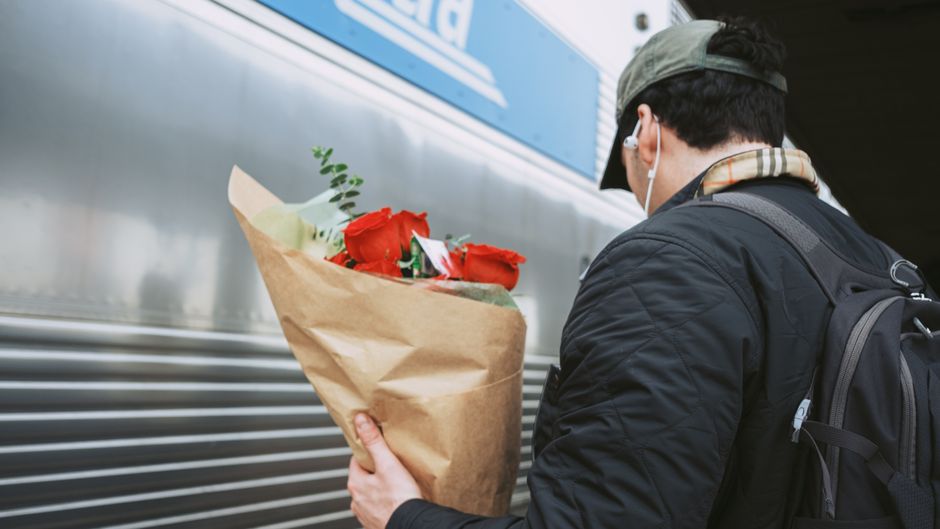
- Choosing a bouquet that is too bulky: a dramatic arrangement may look lovely online, but not so lovely on a packed train.
- Ignoring the return journey: if the recipient still has to travel after receiving the flowers, the design needs to be manageable.
- Using unclear instructions: a missing gate code, department name, or handover note can create delays.
- Picking flowers only for appearance: looks matter, of course, but so does durability.
- Forgetting the weather: heat, wind, and rain can all affect freshness and presentation.
Another mistake is assuming all same-day services work the same way. They do not. Some are designed for speed, some for flexibility, and some for local delivery only. If the order is time-sensitive, read the service details carefully. It saves a lot of crossed wires later.
One practical reminder: if the recipient is notoriously difficult to reach, a slightly earlier delivery is often safer than trying to hit the exact minute. Being early is usually better than being stuck outside while the clock runs on. No one enjoys that little heart-sinking moment.
Tools, Resources and Recommendations
You do not need a complicated toolkit to organise a good flower delivery. What helps most is a sensible checklist and a florist who makes the process easy to understand.
Useful resources on the site include:
- flower care guidance for keeping blooms fresh after delivery;
- service guarantees to understand the standard you can expect;
- payment information if you want to sort the order quickly;
- returns and refund information for peace of mind if something goes wrong;
- contact details if you need to confirm a special instruction.
From a product point of view, the most useful options for commuters tend to be:
- compact hand-tied bouquets;
- flowers in a vase, where appropriate;
- mixed seasonal designs that have some natural resilience;
- simple colour palettes that travel and photograph well;
- gift combinations that do not add too much bulk.
If you are shopping for a special occasion, category pages like birthday flowers, thank-you flowers, or romantic flowers can be useful starting points. They help narrow the choice without making you trawl through endless options. Which, let's be honest, nobody has time for on a lunch break.
Law, Compliance, Standards, or Best Practice
For flower delivery, the main concern is not heavy regulation so much as responsible service, clear communication, and basic consumer expectations. In the UK, reputable businesses are generally expected to describe their products accurately, deliver in line with the agreed service, and handle customer data properly. Those are not glamorous topics, but they matter.
Best practice usually includes:
- clear product descriptions so the buyer knows what they are ordering;
- transparent delivery terms, including any limits on same-day service;
- careful handling of personal information and recipient details;
- reasonable support if a delivery is delayed or arrives in poor condition;
- honest presentation of substitutions if seasonal flowers require them.
If you are arranging flowers near a station, there is also a practical safety angle. The package should be easy to carry, not block walkways, and not create hassle for the recipient while they move through a busy public area. That is common sense more than compliance, but it is still worth stating.
Substitutions deserve a mention too. A good florist will sometimes need to swap a stem because of seasonal availability. That is normal. What matters is whether the overall style, value, and purpose of the arrangement are preserved. If you are sending flowers for a station handover, ask for a design that stays true to the intended look even if a specific bloom changes.
Options, Methods, or Comparison Table
Not every delivery method suits commuters equally. The right choice depends on urgency, budget, and how mobile the recipient is likely to be. Here is a simple comparison to help narrow it down.
| Option | Best for | Strengths | Watch-outs |
|---|---|---|---|
| Same-day delivery | Urgent surprises or last-minute gifts | Fast, flexible, emotionally effective | Needs tight instructions and availability |
| Next-day delivery | Planned gifts for a commute day | More time to prepare, often smoother | Less suitable for spontaneous moments |
| Scheduled delivery | Birthdays, meetings, anniversaries | Best for coordination and timing | Requires more planning in advance |
| Flowers in a vase | Recipients who will travel after receipt | Convenient, ready to display | Heavier and less portable |
| Hand-tied bouquet | Direct handover near a station | Classic, flexible, attractive | May need water soon after delivery |
For many commuters, the middle ground works best: a medium-sized bouquet, scheduled for a realistic time, with a card message that makes the handover easy. If you need a lighter, lower-pressure option, a bouquet from the cheap flowers or budget ranges can still look lovely if selected carefully. Price does not have to decide the feeling.
Case Study or Real-World Example
Here is a realistic scenario. A customer wants to send flowers to someone who regularly changes trains near Hatton Cross on the way home. The recipient finishes work late, often checks their phone only between stops, and does not want to carry a huge arrangement on the Tube. The sender wants the gift to arrive that same day, ideally close to the end of the commute.
Instead of ordering a large, elaborate display, they choose a medium hand-tied bouquet with sturdy stems and a calm colour palette. They add a short card message, give clear location guidance, and schedule the delivery for a time when the recipient is usually free to receive it. The florist packages it neatly, making sure the flowers are secure and easy to carry.
The result? No drama, no missed handover, no awkward waiting outside the station. Just a neat, thoughtful delivery that feels like it was designed for real life. That is the difference between a nice idea and a good outcome. Not glamorous, but very effective.
One small detail made it work: the bouquet was chosen with the commute in mind. That tiny decision did most of the heavy lifting.
Practical Checklist
Use this quick checklist before placing the order. It helps prevent the common "oops, I forgot that part" problem.
- Have you chosen a delivery date that fits the recipient's commute?
- Do you know whether same-day, next-day, or scheduled delivery is best?
- Is the bouquet a sensible size for a station handover?
- Will the flowers be easy to carry after receipt?
- Have you added a clear card message?
- Have you included accurate recipient details and any access notes?
- Are you aware of any likely weather issues on the day?
- Have you checked whether the florist offers flower care guidance?
- Do you know what happens if a substitution is needed?
- Is the chosen style appropriate for the occasion?
If you can tick most of those off, you are probably in good shape. If not, no panic. Just tighten the plan a little before placing the order. That is usually enough.
Conclusion
Hatton Cross station flower delivery tips for commuters are really about making thoughtful gifts practical. The best deliveries are the ones that respect movement, timing, and the small realities of a busy day. A bouquet does not need to be enormous or complicated to feel special. It just needs to arrive well, look fresh, and suit the person receiving it.
If you focus on timing, portability, and clear instructions, you will usually get a much smoother result. And if you choose flowers that travel well, you are giving the recipient a better experience from the first moment they see them to the moment they get home and put them in water. Simple, but honestly, that is where the value is.
Get a free quote today and see how much you can save.
Sometimes the best gift is not the grandest one. It is the one that lands exactly when it should, brightens an ordinary commute, and leaves someone smiling for the rest of the evening.
Frequently Asked Questions
What is the best type of flower arrangement for a commuter?
A medium hand-tied bouquet, a vase arrangement, or a compact mixed design usually works best. These options are easier to carry and less likely to be damaged during a busy journey.
Can I arrange same-day flower delivery near Hatton Cross station?
Same-day delivery can be useful for last-minute gifts, but it depends on the florist's cut-off time and delivery capacity. Always check the service details before ordering.
How do I make sure the flowers arrive at the right time?
Choose a delivery window that matches the recipient's routine as closely as possible. If they commute around a regular time, schedule the delivery around that window rather than the full day.
Are flowers in a vase better for commuters?
Sometimes, yes. They are more convenient once received because the recipient does not need to find a vase straight away. The trade-off is that they can be heavier to carry.
What flowers travel best on a commute?
Hardier stems and well-structured mixed bouquets tend to travel better. Sturdy options such as roses, lilies, and alstroemeria are common choices when presentation and practicality both matter.
How can I avoid a missed delivery?
Give clear instructions, make sure the recipient details are accurate, and avoid overly vague timing. If possible, choose a delivery point that matches the recipient's routine rather than guessing.
Is it better to send flowers to the station or to home?
It depends on the recipient's day. Station-area delivery can work well for commuters who are always on the move, while home delivery is better if they are likely to be available there. Think about convenience first.
What should I write on the card for a commuter delivery?
Keep it short, warm, and clear. A simple message usually works best because the recipient may be receiving the flowers in the middle of a busy day.
Do I need to worry about weather when sending flowers?
Yes, a little. Hot weather, rain, or cold conditions can affect freshness and presentation. Good packaging helps, but timing still matters.
What if a florist needs to substitute some flowers?
That can happen with seasonal availability. A reputable florist should keep the overall style and value of the arrangement close to the original design, even if a few stems change.
Are cheap flowers a bad choice for commuter delivery?
Not at all. Budget-friendly flowers can still be thoughtful and attractive if they are chosen carefully. The key is durability, freshness, and a sensible arrangement size.
Where can I learn how to care for the flowers after delivery?
Look for flower care guidance from the florist so the recipient knows how to trim stems, refresh water, and keep the arrangement looking good for longer. A little care goes a long way.